

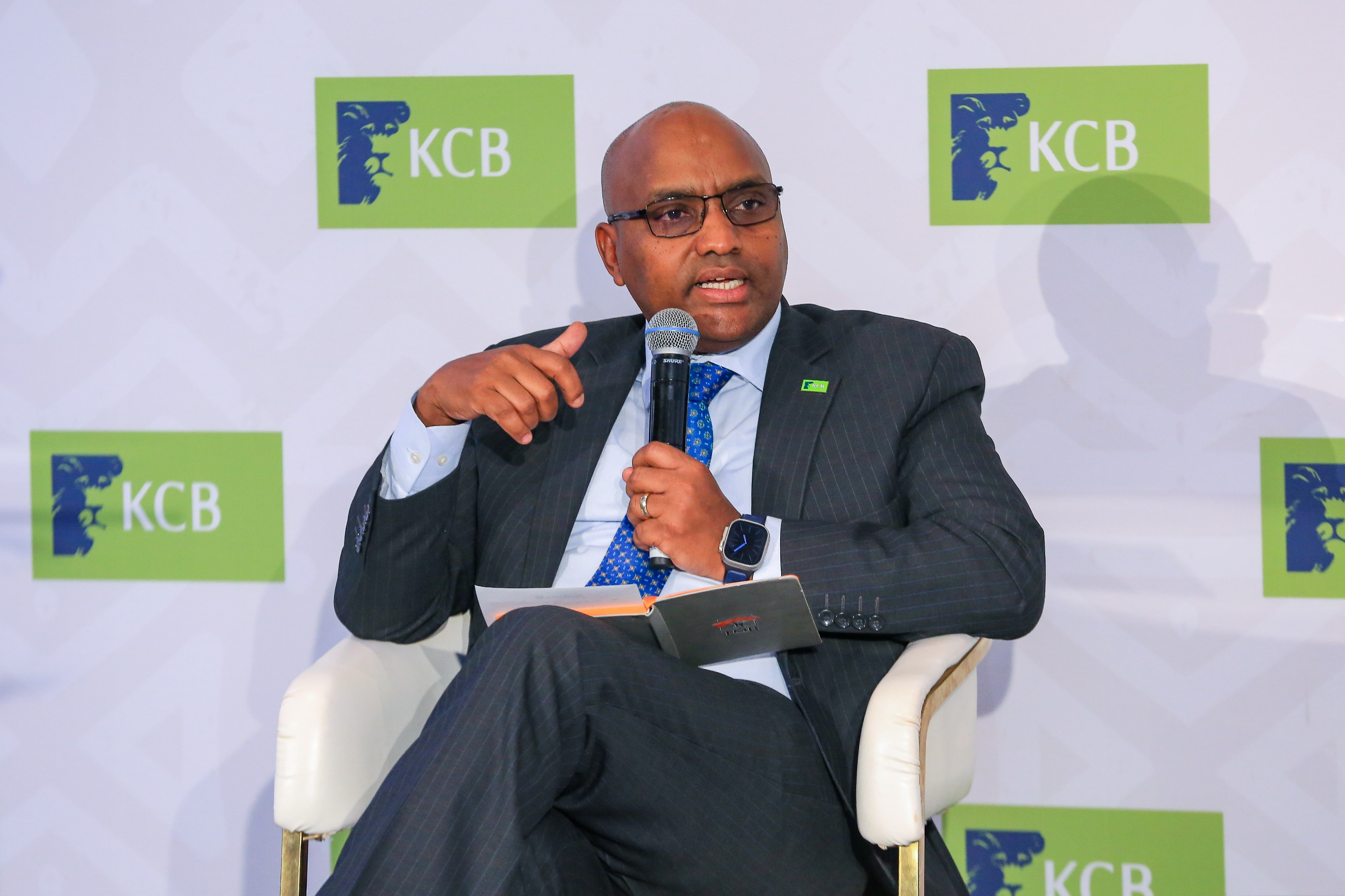
Paul Russo, the chief executive of KCB Group, now finds himself at the centre of a criminal case that has put senior banking leadership under direct personal scrutiny.
Along with the heads of two other major lenders, he faces charges for allegedly failing to report suspicious transactions linked to the disappearance of roughly 363 million shillings from First Assurance Investment Company.
The money is said to have moved through accounts held at KCB and the other banks over several years, allegedly taken by a former director of the firm.
The Director of Public Prosecutions approved the charges under the Proceeds of Crime and Anti-Money Laundering Act.
Russo and his counterparts were summoned to take plea before a Nairobi magistrate. Before that could happen, the banks and their executives moved swiftly to the High Court. They secured conservatory orders that stay the lower court proceedings, block any arrest or detention, and stop the trial court from taking their pleas.
When the case was mentioned, state counsel confirmed that the only orders received so far related specifically to Russo and KCB. The rest remained unverified.
This rapid turn to the High Court has effectively paused the criminal process against the KCB chief. It raises plain questions about accountability at the top of Kenya’s largest banks.
The law places clear reporting duties on financial institutions and, by extension, on those who lead them. When large sums move in ways that later attract fraud allegations, the failure to flag them is not a minor administrative lapse. It goes to the heart of anti-money laundering controls that banks are required to enforce.
Russo’s position as CEO means the charge lands on him personally, not just on the institution. That is unusual and deliberate. Prosecutors have chosen to hold the men at the top responsible rather than stopping at corporate fines. The High Court orders protect him for now, but they do not erase the underlying allegations or the public interest in seeing whether the banks’ systems worked as they should have.
The case remains early. The High Court will decide whether the stay continues and whether the prosecution can proceed.
Until then, Russo continues in his role while the criminal process against him is frozen. The speed with which the protective orders were sought, and the fact that only those covering KCB and its CEO have so far reached the prosecution, leave the matter hanging. For a sector that trades on trust and compliance, the episode is a reminder that personal liability at the highest level is no longer theoretical.