

Kenya’s opposition leaders have strongly criticized President William Ruto’s proposal to introduce a new national development charter after the end of Vision 2030, describing the plan as unrealistic and out of touch with the country’s current challenges.
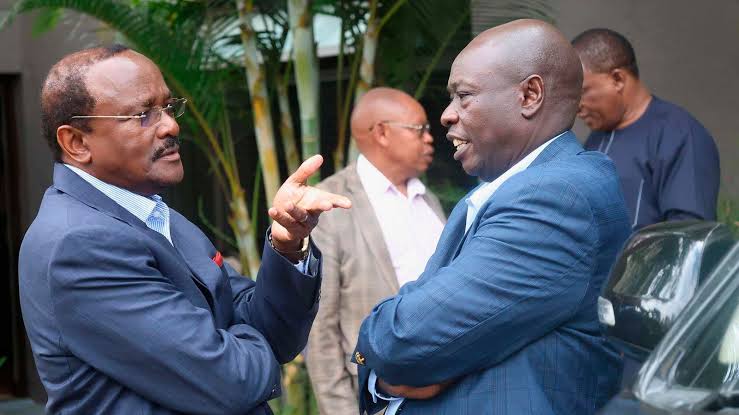
The leaders, led by Democracy for Citizens Party (DCP) leader Rigathi Gachagua and Wiper Patriotic Front leader Kalonzo Musyoka, argued that the government should first focus on fully implementing the existing Vision 2030 blueprint before introducing another long-term development agenda.
Speaking on Friday while hosting a delegation from Narok Town at his Wamunyoro residence in Nyeri County, Gachagua dismissed the President’s proposal as “wishful thinking.” He questioned the need for a new development charter when, according to him, many of the promises under Vision 2030 remain unfulfilled.
Gachagua claimed that the current administration has failed to make meaningful progress in implementing Vision 2030. He accused the government of allowing corruption, misuse of public funds, and poor management of resources to slow down development projects that were meant to improve the lives of Kenyans.
According to the opposition, introducing another national plan before completing the current one could shift attention away from the country’s immediate development needs. The leaders insisted that the government should first deliver on the commitments already made under Vision 2030 instead of launching fresh promises.
The criticism comes after President Ruto proposed the creation of a new development charter that would guide Kenya’s progress after Vision 2030.
The President has indicated that the new framework would be developed through a national conversation involving different stakeholders across the country.
However, the United Alternative Government coalition believes the discussion should instead focus on ensuring that existing development goals are achieved.
The coalition argues that Kenyans deserve to see tangible results from projects already outlined in Vision 2030 before the country begins planning another long-term strategy.
Gachagua maintained that the country’s development challenges are not caused by the lack of planning documents but by weak implementation and poor accountability.
He said public resources should be used efficiently to complete ongoing projects and improve service delivery.
The opposition also accused the government of failing to protect public funds and allowing wastage in the public sector. They argued that better management of resources would help speed up development and restore public confidence in government institutions.
The debate over Kenya’s development agenda is expected to continue as political leaders offer different views on the country’s future. While the government believes a new charter will provide direction beyond Vision 2030, opposition leaders insist that the priority should be fulfilling the promises already made under the current blueprint.
The differing positions are likely to shape public discussions in the coming months, especially as the government seeks support for its proposed post-Vision 2030 development framework and the opposition continues to demand greater accountability in the implementation of existing national development plans.