

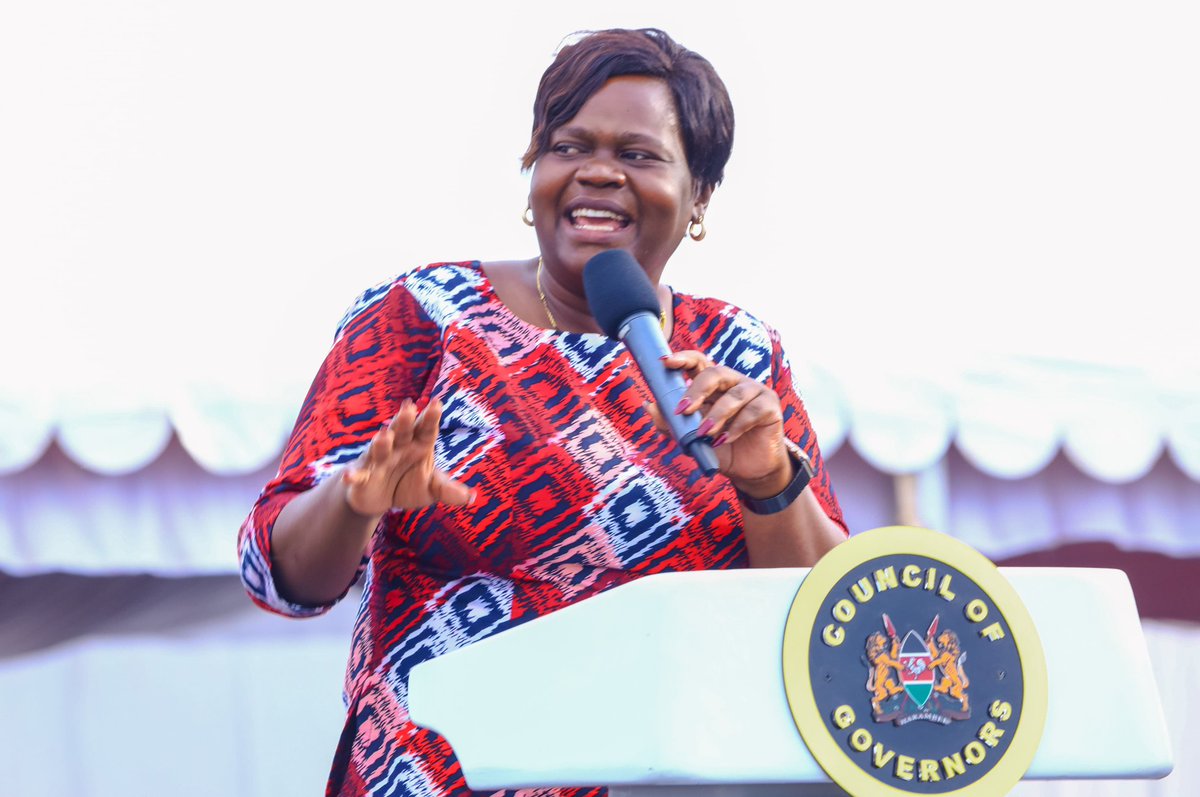
Governor Gladys Wanga is facing growing criticism over what some residents describe as limited visible development in Homa Bay County, with her leadership now under sharper focus following a public disagreement with Suba North MP Millie Odhiambo.
The exchange has shifted attention from general political talk to a more direct question about what has actually been delivered on the ground since she took office.
The disagreement between the two leaders has opened up a wider conversation among residents and observers, many of whom feel that the county has not seen enough new, county-driven projects. A key concern being raised is that much of the governor’s time appears to be spent on political matters, including pushing for zoning in party nominations. While zoning is supported by some as a way of managing competition, critics argue that it limits fair participation and shifts focus away from development priorities.
Millie Odhiambo has taken a firm position against zoning, saying leadership opportunities should be open to all qualified individuals regardless of region or political alignment. Her remarks have also gone beyond party politics and into development accountability. She has openly challenged the governor on the issue of claiming credit for projects that are funded by the national government or supported by external partners.
According to Millie, projects such as the Homa Bay Fish Market and stadium upgrades should not be presented as achievements of the county government alone. She has pointed out that in other counties, governors are initiating and completing projects funded directly through county budgets, including improvements in roads, health services, water supply, and local markets.
She has drawn a comparison that has made some residents question the pace and visibility of development in Homa Bay.
This has fueled a strong reaction among sections of the public. Some residents agree with the concerns, saying they expected more clear and tangible progress by now. They argue that basic issues such as poor road conditions, limited access to clean water, and challenges in health facilities still persist, yet there is more public attention on political positioning than on solving these problems.
At the same time, supporters of the governor say the criticism does not fully consider the challenges she inherited or the need to work closely with the national government. They argue that development is a shared effort and that national projects still benefit the people of Homa Bay regardless of who initiates them. They also maintain that politics is part of leadership and cannot be separated entirely from governance.
Millie Odhiambo has made it clear that she intends to continue speaking out, especially on what she sees as attempts to blur the line between different sources of development funding. Her remarks suggest that the disagreement is not just personal, but tied to a broader push for transparency and accountability in leadership.