
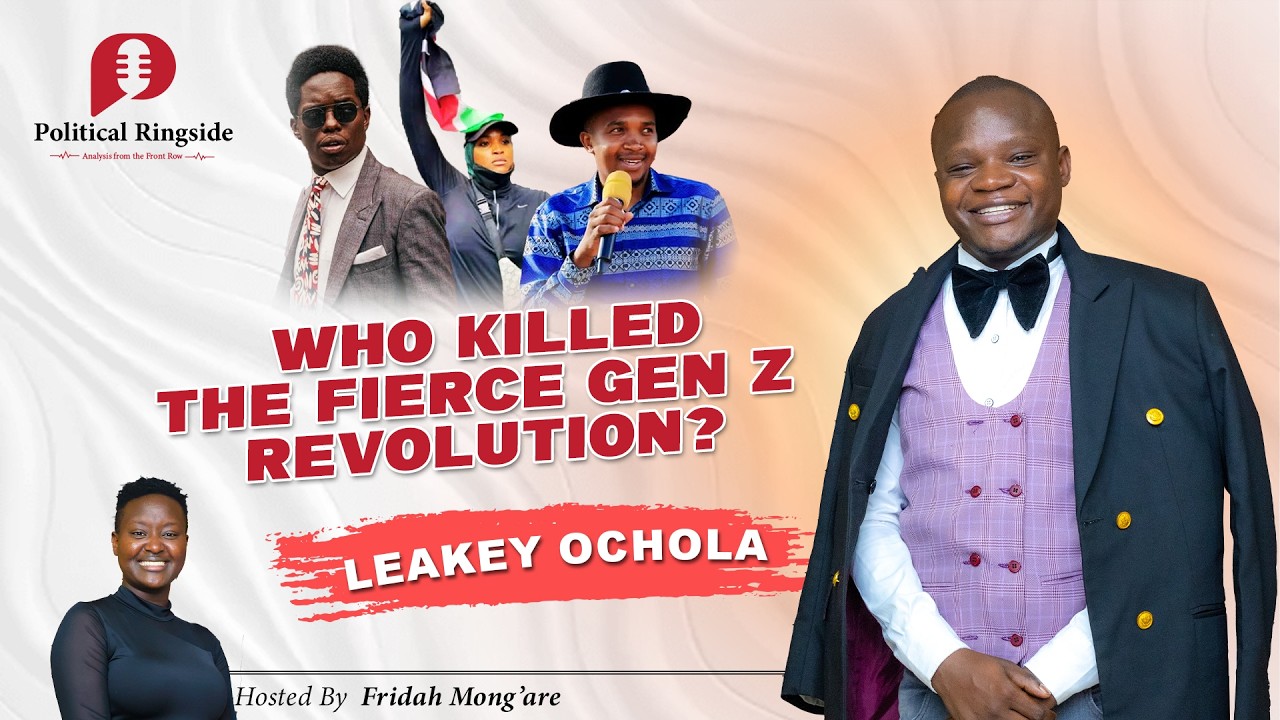
Political Ringside brought together host Fridah Mong’are and political commentator Leakey Ochola for a deep talk on the state of Kenya’s Gen Z movement. One year after the powerful 2024 protests that shook the nation, the recent anniversary events drew far fewer people than expected. The show examined what happened to the energy of the youth uprising and whether the movement has been weakened.
In 2024, young Kenyans filled the streets to protest against the Finance Bill and demand better governance. The demonstrations were intense, with many lives lost and people injured. This created a strong wave of awareness across the country. Fast forward to the anniversary last week, and the turnout was noticeably lower. Leakey Ochola offered an honest view on this. He said it was important to have difficult conversations.
While many focus on the drop in numbers, he celebrated that fewer people died this time around. The police used less force, avoiding heavy tear gas in several areas, and both sides showed some maturity. Citizens and officers seemed to understand each other better during the events.
How the Movement Has Changed
A big part of the discussion centered on how the Gen Z movement has changed. Many familiar faces who once led from the streets have now joined mainstream politics.
Kasmuel moved to the ODM party, Morara Kebaso joined Jubilee, and others have entered activism or even started supporting the government. Some have shifted to regional politics.
This split has broken the strong unity that made the 2024 protests so powerful. The once united front now looks divided, and many young people appear to have lost momentum or grown tired.
Government Response and Political Realities
Leakey pointed out that protests grow when there is both public anger and a strong reaction from the authorities. This year, the government did not provide much fuel for bigger chaos.
By keeping things calm, they reduced the chance for things to explode. He reminded viewers that all politicians, including himself, pursue personal interests.
What matters is whether those interests also bring benefits to the people. The Gen Z protests began as a call for accountability, less corruption, and real change in how the country is run.
Now, with leaders joining parties, it seems the political system has absorbed some of the movement’s strength.
Looking Ahead to 2027
The conversation also touched on the future. With the 2027 elections coming, can the youth still influence Kenya’s direction?
If another major crisis hits, will Gen Z be able to mobilize again like before? Or has the fire from 2024 already cooled down?
Leakey stressed the need for honest talks about both successes and failures. The protests achieved a lot by waking up a new generation to politics.
Even with smaller crowds now, the ideas of better leadership and public participation remain important.
The Role of Youth in Kenya’s Future
Political Ringside continues to offer clear analysis on these shifting dynamics.
Kenya’s young people have shown they can demand change. The coming years will tell if this movement can rebuild its power or if it will stay divided.
The country needs its youth to stay engaged for a stronger democracy ahead.