

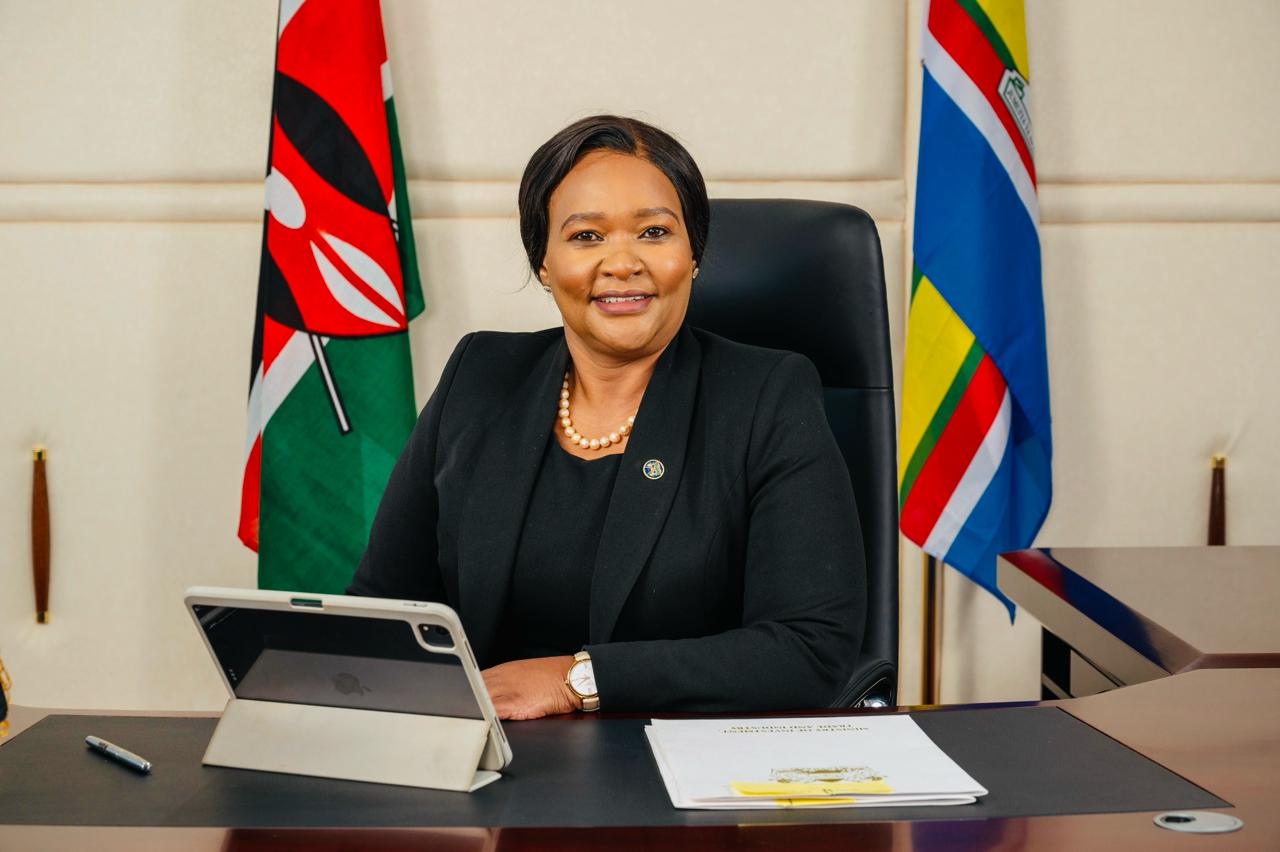
Questions surrounding the management of the Sh45.1 billion Bomas International Convention Centre project have placed Tourism Cabinet Secretary Rebecca Miano and her ministry under scrutiny after senators raised concerns about contract ownership, rising costs and accountability. The project, which falls under the Ministry of Tourism, is being implemented through the Ministry of Defence, creating uncertainty over who has direct responsibility for key agreements and decisions involving the construction of the facility.
The concerns come at a time when the cost of the project has increased significantly from the initial estimate of Sh31.7 billion to Sh45.1 billion. The Sh13.4 billion increase has drawn attention to how the project has been managed, the reasons behind the additional expenditure and whether proper oversight has been maintained throughout the construction process.
According to the information presented before the Senate, the Ministry of Tourism, which owns the project and oversees its funding, does not hold the main construction contract. Instead, procurement and contracting documents are held by the Ministry of Defence, which was given responsibility for implementing the project.
The arrangement has raised questions about the division of responsibilities between the two ministries. While the Ministry of Tourism is expected to ensure that the convention centre meets the country’s tourism and conference needs, the Ministry of Defence is handling key aspects of procurement and construction.
This separation has prompted senators to seek clarity on how decisions are made and which ministry is ultimately answerable for the project’s performance.
The issue of contract ownership is particularly important because construction agreements contain details about the obligations of contractors, the cost of work, timelines and conditions for making changes. When these documents are held by a ministry other than the one responsible for funding and overseeing the project, questions may arise about access to information and the ability to monitor implementation effectively.
Senators are seeking answers on who signed the main agreements, who has authority to approve changes to the project and how accountability is shared between the Ministry of Tourism and the Ministry of Defence. These questions come as public attention focuses on the project’s rising cost and the need for greater transparency in the use of government funds.
The increase from Sh31.7 billion to Sh45.1 billion is another major concern in the debate. Construction projects can experience higher costs because of changes in building materials, design modifications, delays and other factors. However, any substantial increase in public expenditure requires a clear explanation, particularly when the project involves billions of shillings in taxpayer money.
For CS Rebecca Miano, the situation places renewed attention on the Ministry of Tourism’s role in supervising a project that is expected to contribute to Kenya’s conference tourism sector.
The convention centre is intended to provide facilities for large conferences, international meetings and other major events, supporting the country’s efforts to attract visitors and business gatherings.
The ministry’s responsibility as project owner raises questions about how it monitors construction progress, expenditure and contractual obligations when the main documents are held by another government department. Although the delegation of implementation duties to the Ministry of Defence may have been intended to support the project’s delivery, the arrangement has made it necessary to explain how oversight is being carried out.
Concerns about procurement practices and possible corruption have also formed part of the wider public debate surrounding major government projects.
The public interest remains focused on whether the convention centre will be completed within a reasonable timeframe, whether its final cost can be justified and whether the ministries involved can provide clear information about the decisions made during implementation. Delays, unclear contractual responsibilities and unexplained expenditure can weaken confidence in large public projects, making transparency an important part of the government’s response.
The Bomas International Convention Centre is expected to become a major facility for Kenya’s tourism and conference industry. Its successful completion could support international events, create economic opportunities and strengthen the country’s ability to host large gatherings. However, achieving those goals will require more than construction progress. It will also depend on clear accountability, proper financial oversight and public confidence in how the project is managed.