

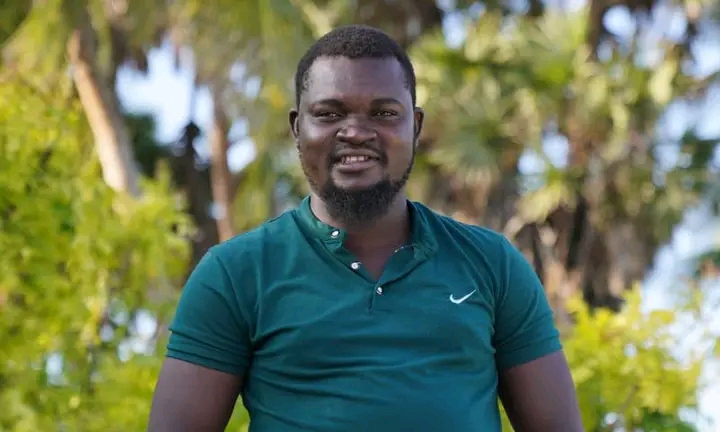
Albert Ojwang’s death in police custody continues to raise many questions in Kenya.
The case has moved through the courts with new details coming out during the murder trial at Kibera Law Courts. IPOA forensic expert Joshua Mutua recently presented CCTV footage showing Albert Ojwang being taken to Nairobi Central Police Station. This evidence forms part of the ongoing trial of several people charged in connection with his death.
Albert Ojwang was a teacher and blogger. He was arrested in Homa Bay and brought to Nairobi Central Police Station on June 7, 2025. He died while in custody.
At first, police said he hurt himself by hitting his head on the cell wall. But a post-mortem examination showed different results. The autopsy found head injuries, neck compression, and many bruises on his body that pointed to assault. This ruled out the idea that he took his own life.
In court, details from recovered CCTV footage have been shown. The footage was deleted from the station’s system but later recovered by the Independent Policing Oversight Authority (IPOA).
It shows movements around the time of his death. Witnesses in court talked about officers and unidentified people going to the cell area. One protected witness said he was paid to format the DVR and erase footage from June 6 and 7, 2025. He explained that selective deletion was not possible, so the whole system had to be formatted.
Cyprian Nyakundi shared his thoughts on this development. He noted the sudden release of details and CCTV by the state. He wondered if this openness means the authorities are trying to sacrifice lower-level people while protecting someone higher up who gave the orders.
Nyakundi pointed to earlier reports by The Star newspaper. Those reports said Albert Ojwang was taken from Central Police Station to Karura forest. There, he was allegedly tortured in the presence of a senior police official, collapsed, and was brought back unconscious.
This raises hard questions.
Who gave the order for his arrest and transfer from Homa Bay?
Who authorized moving him out of the station at night? Was there a plan to take him to Karura?
If the Star’s reporting is based on credible sources, why has more attention not been given to that part of the story in the current court proceedings?
The focus on deleted CCTV at the station is important, but it leaves out what may have happened before he returned to the cell.
The trial involves former Officer Commanding Station Samson Talaam and others. They face murder charges. Some have pleaded not guilty. IPOA has played an active role in recovering evidence and presenting it in court. Forensic analysis of the CCTV reportedly shows Ojwang entered the station alive but was later seen in a way that suggested he was unresponsive. Technicians confirmed the footage was manually erased.
Kenyans have followed this case closely because it touches on trust in the police. Many people want to know the full truth about what happened from the time of arrest to his death.
The recovery of CCTV is a step forward, but doubts remain about whether all parts of the story are being addressed.
The Karura claims, if true, point to possible involvement beyond the station officers. Questions about a cover-up persist because early police statements were later withdrawn, and the autopsy contradicted the first explanation.
Albert Ojwang left behind a young family. His death sparked public anger and protests. The court process is ongoing, and more witnesses may give evidence.
For justice to be served, investigators and the court need to answer the difficult questions. Who really gave the orders?
What exactly happened during the time he was away from the station? Is the full picture emerging, or is attention being directed only to certain parts?
Many are watching to see if the evidence will lead to real accountability. Simple facts like the autopsy results and recovered footage show serious issues in how Ojwang was treated.
But without clear answers on the chain of command and the reported events in Karura, doubts about a complete investigation will remain.
Kenyans deserve to know the whole story so that such cases do not happen again. The authorities must address these concerns openly to rebuild public confidence.
This situation reminds everyone that custody deaths need full transparency.
The work of IPOA in recovering the CCTV is positive, but the bigger questions about orders and possible cover-ups must not be left unanswered.
The case is a test for the justice system in Kenya.