

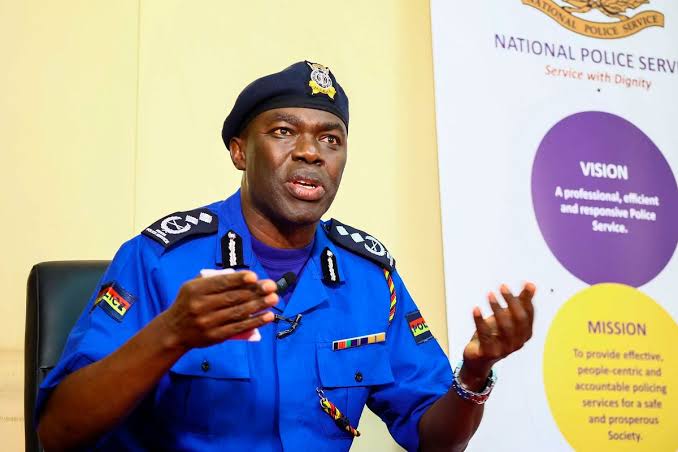
Calls for accountability in the death of teacher and digital activist Albert Ojwang have continued to grow, with many Kenyans questioning the role played by police officials in communicating information about the case. At the center of the debate is former National Police Service spokesperson Muchiri Nyaga, whose initial statement about Ojwang’s death came under intense scrutiny after post-mortem findings emerged.
When news of Ojwang’s death in police custody first broke, the public was informed that he had sustained self-inflicted injuries while inside a police cell.
The explanation suggested that officers later rushed him to hospital, where he was declared dead. The statement was presented as the official account of what had happened.
However, the situation changed after government pathologists released findings from the post-mortem examination.
The report pointed to injuries that raised serious questions about the initial explanation given to the public. The findings triggered widespread public concern and intensified demands for a full investigation into the circumstances surrounding Ojwang’s death.
The difference between the first police account and the medical findings quickly became a major issue. Critics argued that Kenyans had been given information that did not match the evidence later presented by investigators and medical experts.
The controversy fueled public anger, with many citizens taking to social media to demand accountability from everyone involved in the case.
Lawyer Willis Otieno has been among those calling for action, arguing that all individuals linked to the arrest, detention, transfer, and death of Albert Ojwang should be investigated.
He has maintained that no public official should be protected from scrutiny if their actions contributed to misleading the public or obstructing the search for justice.
The case has also sparked wider debate about trust in public institutions. Many Kenyans believe that police officers and government officials have a responsibility to provide accurate information, especially when dealing with deaths that occur in state custody. For critics, the handling of communication in the Ojwang case damaged public confidence and created the perception that there was an attempt to shield those responsible.
Calls for resignations and disciplinary action became louder. Some citizens argued that officials who communicated information later contradicted by evidence should be held accountable. Others maintained that investigations should determine individual responsibility before any conclusions are reached.
Beyond the questions surrounding one official, the case has become a discussion about transparency, accountability, and the protection of human rights.
Albert Ojwang’s death has drawn attention to concerns about how people are treated while in custody and how authorities respond when serious incidents occur.
Many Kenyans remain focused on one issue: ensuring that the full truth about Albert Ojwang’s death is established and that anyone found responsible faces the appropriate legal consequences.
The outcome of the case is expected to play an important role in shaping public confidence in the country’s justice and law enforcement systems.