

The decision by the United States government to suspend the green card lottery has triggered widespread debate and deep concern among immigrant communities across the world. The move comes after a deadly shooting at Brown University that shocked the country and reignited long-standing arguments around immigration and national security.
The tragic incident left two undergraduate students and a university professor dead, while nine other people were injured. Investigators say the suspected attacker later died from what is believed to be a self-inflicted gunshot wound.
Authorities confirmed that the suspect had entered the United States in 2017 through the Diversity Immigrant Visa program, commonly known as the green card lottery.
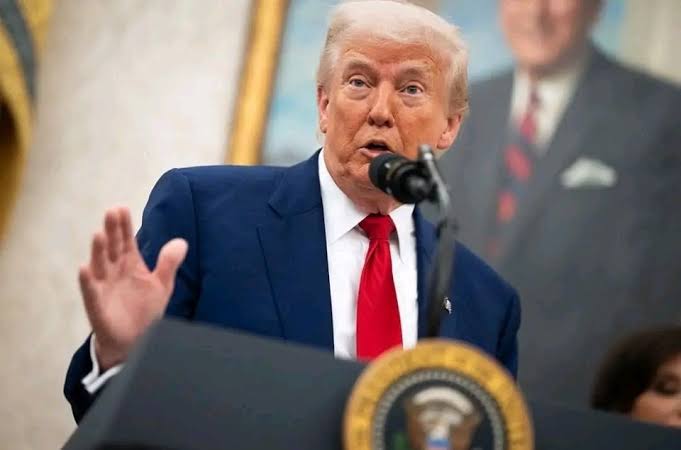
Following the attack, President Donald Trump ordered the immediate suspension of the program.
The directive was issued to the U.S. Citizenship and Immigration Services and was confirmed by Homeland Security Secretary Kristi Noem on Thursday, December 18. According to the administration, the suspension is meant to address what it views as security gaps within the lottery system.
“The president has long opposed the diversity visa lottery, believing it undermines U.S. immigration policy and public safety,” Noem stated.
She pointed to past incidents to support the decision, including the 2017 New York City truck attack carried out by an ISIS-linked individual who had also entered the country through the lottery. “We cannot allow history to repeat itself,” she added.
The Diversity Immigrant Visa program was created to offer people from countries with low levels of immigration to the United States a chance to live and work there legally.
Applicants are selected randomly through a computerized system, and those chosen are allowed to study, work, or build new lives in America. Over the years, the program has been especially popular in countries such as Kenya, where thousands of citizens have benefited from the opportunity.

A US green card dummy photo. Photo Courtesy (VOA)
For many families, the lottery has represented hope and a possible path out of economic hardship.
The sudden suspension has therefore caused confusion and anxiety, particularly among applicants who were preparing for upcoming application cycles. Some immigration advisers have warned that the halt could also affect people who were planning their studies or travel plans based on the program.
The Brown University shooting has intensified criticism of the lottery, with some U.S. officials arguing that the system does not adequately screen entrants.
One official said the incident highlighted weaknesses in the process and raised questions about how risks are assessed. Others, however, have argued that linking a random visa program to isolated acts of violence may overlook broader issues related to gun violence and mental health.
In Kenya and other countries that have long relied on the program, the suspension has been met with disappointment.
Many applicants view the lottery as one of the few fair ways to access legal migration channels to the United States. An immigration lawyer based in Nairobi described the decision as deeply discouraging for ordinary people who have followed the rules and waited patiently.
“This is a devastating blow for millions of hopeful immigrants,” the lawyer said.
“The green card lottery has long been one of the few equitable avenues for ordinary citizens to secure legal entry into the U.S. Its suspension signals a new era of stricter immigration enforcement.”
The U.S. government has not given any indication of when the program might resume.