

Kenyan oil marketers have exported 48.12 million litres of petrol that the government had earlier declared illegal and substandard, directing it instead to neighbouring markets.
According to documents presented in the Senate, about 28.45 million litres went to the Democratic Republic of Congo while 19.67 million litres were sold in South Sudan. The sales took place in June and involved around 39 oil marketing companies, most of them independent operators.
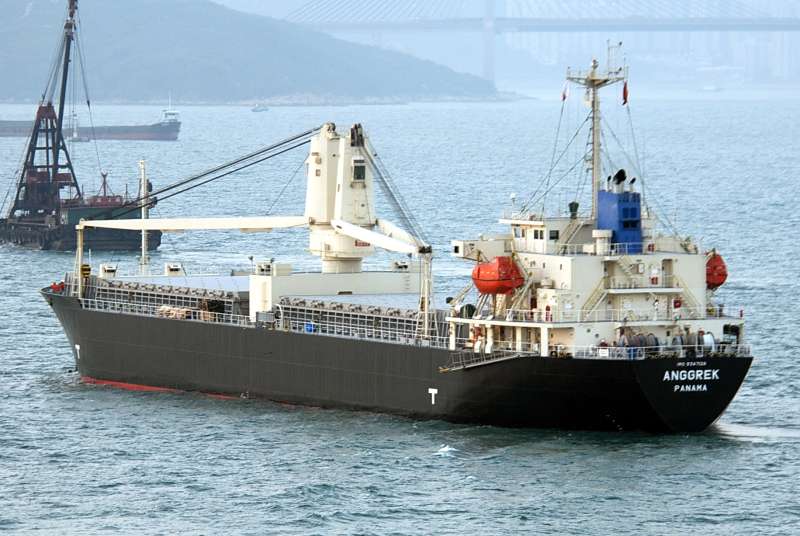
This volume formed part of a larger consignment of 66.29 million litres brought into the country by One Petroleum on the vessel MT Paloma in March 2026. The fuel had been imported outside the usual government-to-government supply arrangements and was intended as emergency stock to prevent a possible shortage around April. Once concerns arose over its quality and legality, the authorities ordered that the entire cargo be kept out of the local market and barred marketers from selling it inside Kenya.
There were also worries that some of the product might already have entered the domestic system before the order took effect.
Kenya Revenue Authority records later confirmed that 48.12 million litres had been consigned to regional buyers in the Democratic Republic of Congo and South Sudan. Roughly 18.17 million litres remained under the control of One Petroleum at the time the documents were tabled, awaiting disposal in other regional markets.
The full consignment had been valued in the region of 12 billion shillings.
The episode attracted close scrutiny because the import happened outside established supply contracts and raised questions about standards compliance. Officials had flagged issues with the fuel’s specifications, describing it as substandard. The controversy contributed to the departure of three senior figures in the energy sector as investigations proceeded.
Senate committees examined the movement of the cargo and the decisions that allowed it to be brought in and later redirected.
The government maintained that the product could not be sold locally and insisted on its removal from the Kenyan market. Oil marketers who had already paid taxes on their allocated portions later received refunds once it became clear the fuel would not be released for domestic use.
The remaining stock was then channelled toward export destinations where it could be sold under different market conditions.
This sequence of events has left a clear paper trail through Senate documents and revenue authority records. The exported volumes provide a concrete account of where the disputed fuel ultimately went after the government ordered it out of Kenya.
While the original purpose of the import was to shore up national reserves, the subsequent finding that the product did not meet local requirements led to its redirection across the border.
The case continues to illustrate the complexities that can arise when emergency measures intersect with quality controls and established procurement frameworks.