
The awarding of a reported multi-billion-dollar airport project to a consortium linked to Zimbabwean businessman Wicknell Chivayo has sparked debate and raised questions among sections of the public about transparency, accountability, and the process used in the selection of contractors for major government projects.
At the center of the discussion is Chivayo, a businessman whose name has frequently appeared in controversial political and business stories across Southern Africa.
Critics argue that his involvement in such a significant infrastructure project in Kenya has attracted attention because of allegations and past legal troubles that have surrounded him over the years.
Supporters, however, maintain that any company participating in public tenders should be judged according to legal requirements and procurement rules.
The reported project, valued at approximately $2.9 billion, is considered one of the most significant infrastructure developments in the aviation sector. Such projects are expected to improve transport networks, boost trade, create employment opportunities, and strengthen Kenya’s position as a regional transport hub. Because of the scale of the investment, many Kenyans believe the procurement process should be open to public scrutiny to ensure confidence in the outcome.
Concerns have emerged from those who question whether sufficient due diligence was conducted before the contract was awarded. For many observers, the issue goes beyond the identity of one businessman.
They argue that large public projects must be subjected to the highest standards of transparency because they involve substantial financial commitments and have long-term implications for the country.
Questions have also been raised about the participation of local contractors in projects of this magnitude. Some industry players believe Kenyan firms should be given greater opportunities to compete for major infrastructure contracts, either independently or through partnerships that ensure local expertise and resources benefit from such investments.
Others point out that international partnerships are common in large-scale projects and can bring additional technical knowledge and financing.
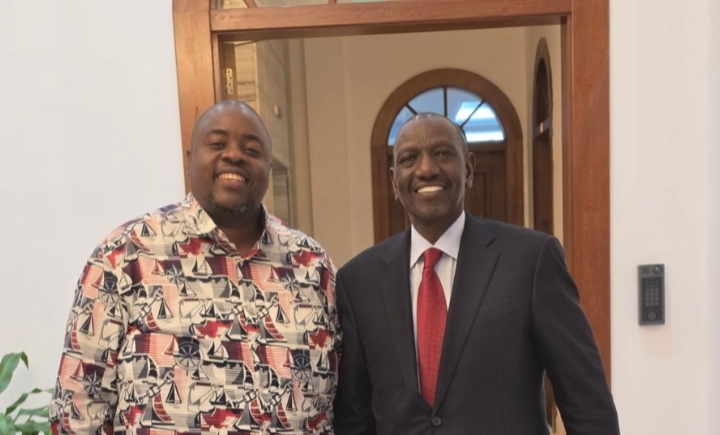
Another issue that has attracted public attention is the reported interaction between Chivayo and senior government officials. Critics have called for greater transparency regarding engagements between influential business figures and state leaders, arguing that openness helps build public trust. They maintain that citizens have a right to understand how major decisions affecting national resources are made.
Governance experts often note that public confidence in government projects depends heavily on clear communication and accountability. When questions arise about procurement processes, they argue that authorities should provide detailed explanations and make relevant information accessible to the public. Such measures help reduce speculation and strengthen trust in public institutions.
Many Kenyans are calling for clarity regarding the tendering process, the qualifications of the successful bidders, and the safeguards in place to protect public interests.
For them, the issue is not simply about one contract or one individual. It is about ensuring that major national projects are handled in a manner that reflects transparency, fairness, and accountability.
The airport project has the potential to shape Kenya’s economic future for decades. Because of its importance, citizens, industry stakeholders, and oversight institutions are likely to continue demanding answers and seeking assurances that the project serves the country’s best interests and meets the highest standards of public accountability.