

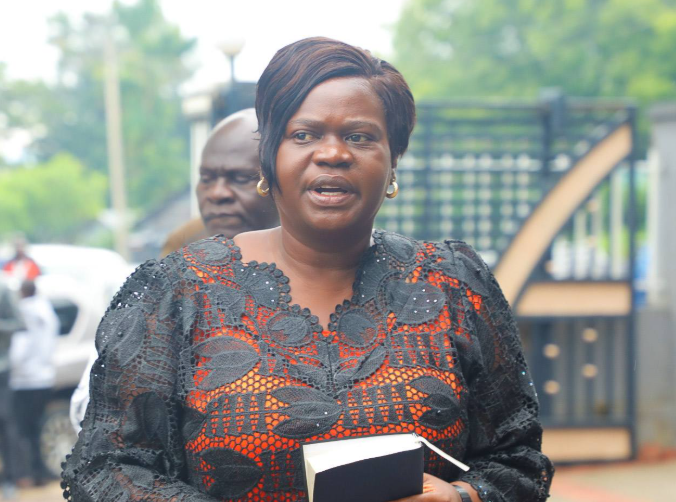
Gladys Wanga is facing sharp criticism after claims by Maina KE that his family was ignored for years while trying to secure payment of money they say was owed to them by Homa Bay County. According to Maina, the matter became even more painful because it unfolded during one of the most difficult periods in his family’s life, as they struggled to care for a sick father whose medical bills continued to rise.
The loss of a parent is a painful experience that leaves a lasting mark on any family. For Maina KE and his relatives, that pain has been accompanied by frustration, anger, and a feeling that those entrusted with leadership failed them when they needed help the most. He says that while his father was still alive, the family repeatedly reached out to the county government seeking payment of pending bills. Their argument was simple. They were not asking for special treatment or favors. They wanted money they believed was rightfully owed to them.
According to his account, the family continued making follow-ups, hoping that their concerns would eventually be addressed. Months turned into years, but they say little changed.
The promises they received never translated into action, while the financial pressure on the family continued to grow. At the same time, their father’s health condition worsened, forcing them to deal with mounting medical expenses.
The situation became even more devastating when their father passed away. Instead of finding relief after years of seeking payment, the family was left facing an even bigger financial burden. Maina KE says the costs associated with hospital bills, mortuary charges, and funeral arrangements reached about KSh 800,000. For many families, such an amount can be overwhelming, especially when it comes at a time of grief and emotional exhaustion.
He claims that after the death of his father, they once again reached out to Governor Wanga in the hope that the county would finally settle the outstanding payments. However, according to him, their efforts did not receive the response they expected. He describes a situation where calls, reminders, and requests for assistance were met with silence, leaving the family feeling abandoned by leaders they believed should have stood with them during a difficult moment.
For Maina KE, the issue is no longer just about money. It has become a symbol of what he sees as a broader problem in leadership. He argues that leaders should be judged not by speeches, public appearances, or political campaigns, but by how they respond when ordinary citizens are facing real hardship.
In his view, leadership carries a responsibility to listen, act, and provide solutions, particularly when families are struggling with matters that directly affect their dignity and wellbeing.
The claims also include accusations involving Governor Wanga’s brother, Robert Nyasuna. Maina KE alleges that his family suffered financial losses linked to dealings involving Nyasuna. These allegations remain claims made by Maina KE, but they have added to the bitterness and disappointment he says his family feels toward the county leadership.
What makes the story resonate with many people is that it reflects a challenge faced by numerous families across the country. Pending bills have become a recurring issue in many counties, with individuals and businesses often waiting years for payments while debts continue to accumulate. Behind every unpaid bill is usually a family trying to survive, pay school fees, settle loans, or meet medical expenses.
Maina KE’s message remains direct and emotional. He insists that his family is not asking for sympathy or political favors. They simply want what they believe is owed to them. To them, the KSh 800,000 burden represents more than figures on paper. It represents years of struggle, unanswered requests, and a painful reminder of a father they lost while waiting for a solution that never came.
Whether the claims are addressed or disputed, the story raises difficult questions about accountability, responsiveness, and the obligations of public leaders to the people they serve. For grieving families carrying heavy financial burdens, delayed payments are not just administrative issues.
They can become a source of prolonged suffering. For Maina and his family, settling the matter would not simply clear a debt. It would represent recognition of their struggle and a restoration of the dignity they feel has been denied for far too long.