

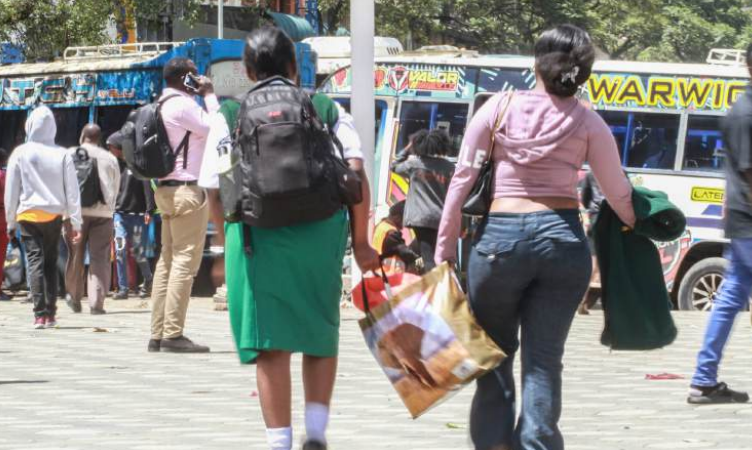
Schools across the country have reopened for the third term under financial pressure after receiving less capitation funding than expected from the government. The shortage has affected both primary and secondary schools, with head teachers saying the delays are making it difficult to meet basic needs while preparing learners for national examinations.
Capitation is government funding provided to schools based on the number of learners enrolled. The money is meant to support basic school operations and help institutions provide a suitable learning environment. However, schools have started the third term without receiving enough of the expected funds, leaving many administrators struggling to balance limited resources against rising demands.
The situation has created challenges in paying for essential services and supplies. Schools have outstanding bills for food, electricity, water, transport and learning materials. Some institutions have also accumulated debts with suppliers who provide goods and services to schools. With limited money available, head teachers are being forced to decide which expenses should be handled first.
Some schools have already reduced spending on activities considered less urgent. Others are seeking additional assistance from parents and local communities to meet immediate needs. However, such support is not always easy to obtain, particularly in areas where families are already dealing with financial difficulties.
The third term comes at an important time in the school calendar. Teachers are expected to complete the remaining parts of the syllabus, organise revision and prepare candidates for national examinations. At the same time, schools must continue teaching learners in other classes and maintain normal operations.
Financial shortages can make these responsibilities more difficult. Schools need money for examination materials, learning resources, support staff and general maintenance. Even routine activities such as keeping classrooms and compounds clean can become a challenge when institutions do not have enough funds.
Head teachers have raised concerns that prolonged delays could affect examination preparation, particularly in schools that do not have other reliable sources of income. Candidates require adequate learning materials and proper support as they approach their final examinations. Teachers also need a stable environment to complete revision and address areas where learners may require additional assistance.
Education officials have acknowledged the funding challenges and advised schools to give priority to the most important expenses as they wait for additional releases. The guidance is intended to help institutions manage the available money until the remaining funds are provided.
However, school administrators say delays in capitation have become a recurring problem. They argue that schools are often left to find temporary ways of covering financial gaps while waiting for government funding. This puts pressure on head teachers, who must continue providing services even when the money set aside for those services has not arrived.
The funding figures accompanying recent reports also point to differences between the amounts schools were expecting and what they have actually received. The problem is therefore affecting several institutions rather than being limited to a few individual schools.
Parents are also watching the situation with concern. Some fear that schools could introduce additional charges to meet their immediate financial needs. Such demands would create an extra burden for families, especially those already struggling to meet household expenses.
Teachers are equally concerned about the effect of limited resources on learners. Schools need enough materials and support to help students who require additional attention. Where funding is limited, it may become harder for teachers and administrators to provide all the support needed.
Schools serving low-income communities face an even greater challenge because they have fewer opportunities to raise additional money locally. While some institutions may receive assistance from parents, former students or community organisations, others have very limited alternatives when government funding is delayed.
Despite the financial difficulties, schools have resumed normal activities for the third term. Teachers are reporting to work, learners are returning to classrooms and candidates are beginning the final stage of preparation for national examinations.
For school administrators, however, the reopening comes with the added responsibility of managing limited funds while ensuring that learning continues. They are now waiting for the remaining capitation to be released, hoping it will arrive soon enough to settle outstanding bills and support the activities required during the final and demanding term of the academic year.