
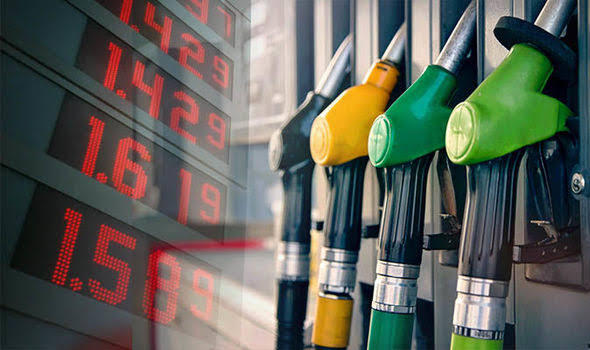
Kenyan motorists will pay more for fuel in the coming month after the Energy and Petroleum Regulatory Authority (EPRA) announced a sharp increase in pump prices effective from midnight on May 15, 2026.
The new prices will remain in place until June 14, 2026, affecting households, transport operators and businesses already dealing with the high cost of living.
According to EPRA’s latest fuel pricing review released on Thursday, the price of Super Petrol has increased by Ksh.16.65 per litre, while Diesel has recorded a bigger jump of Ksh.46.29 per litre. The price of Kerosene, however, remains unchanged during the review period.
In Nairobi, motorists will now pay Ksh.214.25 per litre for Super Petrol, Ksh.242.92 for Diesel and Ksh.152.78 for Kerosene.
The increase is expected to push up transport costs and the prices of goods and services across the country, especially because Diesel is widely used in public transport, farming and commercial transport.
EPRA said the changes were mainly caused by rising international petroleum product prices and fluctuations in the exchange rate. The regulator also pointed to the continued application of taxes under the Value Added Tax framework and other existing fuel levies.
In its statement, EPRA noted that the new prices include VAT as provided for under the VAT Act, 2013, alongside provisions in Legal Notice No.70 dated April 15, 2026, the Finance Act, 2023, the Tax Laws (Amendment) Act, 2024 and revised excise duty rates adjusted for inflation.
Despite the increase, EPRA stated that the government will continue cushioning consumers through the Petroleum Development Levy Fund. The authority said about Ksh.5 billion will be used to subsidize Diesel and Kerosene prices in an effort to reduce the burden on consumers.
The latest adjustment comes at a time when many Kenyans are already struggling with high food prices, transport expenses and other rising household costs, raising concerns over the wider impact of the fuel increase on the economy.