
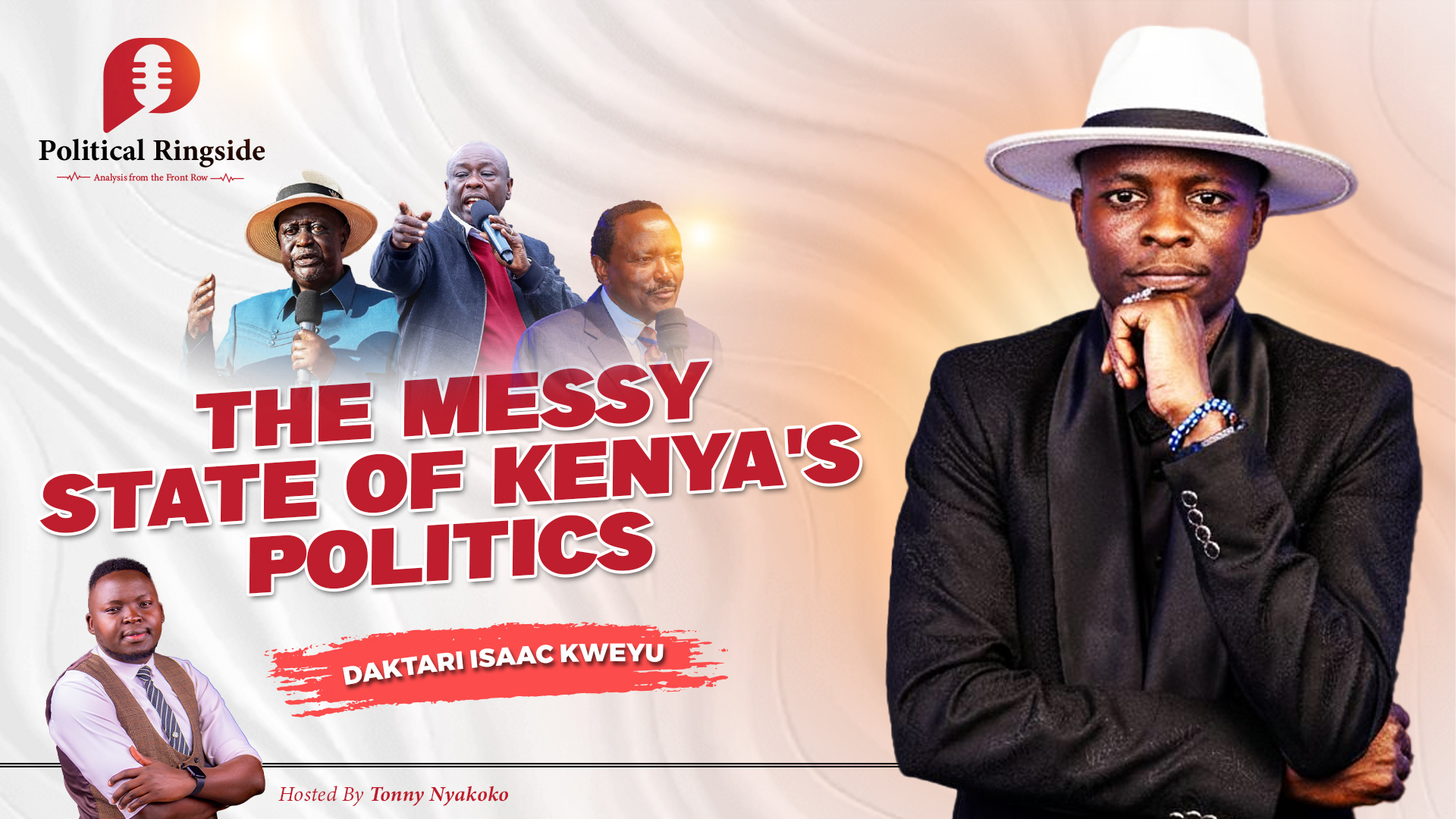
Political Ringside is a YouTube-based political show that explains what is happening in Kenyan politics by breaking down power moves, party positions, and leadership calculations in a clear and practical way.
The show focuses on helping viewers understand current political strategies, alliances, and future election planning without exaggeration or unnecessary drama.
The programme has built a strong following because it goes beyond surface-level political talk. Instead of repeating headlines, Political Ringside brings together analysts and guests who examine why leaders make certain decisions and how those choices affect the country.
Each episode looks at ongoing political developments such as party divisions, leadership transitions, and coalition building. The discussions are structured, calm, and focused on facts and political patterns that shape Kenya’s direction.
One recent episode titled “ODM’s New Dilemma, Gachagua’s Delicate Math and Ruto’s Secret Cards” featured political analyst Daktari Kweyu. The episode opens with a discussion on the Orange Democratic Movement and the challenges the party is currently facing following the loss of its long-time leader, Raila Odinga.
The show explains that ODM is now at a critical stage where internal organisation and leadership direction are unclear. Under the guidance of Oburu Odinga, questions have emerged about unity within the party, especially after the absence of some senior members from important meetings. This has created uncertainty among supporters and party officials.
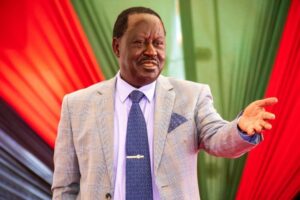
Former Prime Minister The late Raila Odinga. Photo Courtesy/People Daily.
Political Ringside notes that this increased activity reflects attempts to keep ODM politically relevant during a transition period. The episode also examines succession politics within the party, suggesting that family influence continues to shape ODM’s future direction. It raises the possibility that supporting a familiar name could be seen as a way to maintain control and stability as the party prepares for the 2027 elections.
The conversation then moves to broader opposition politics, focusing on the careful calculations between leaders such as Kalonzo Musyoka and Rigathi Gachagua. Political Ringside explains that many political relationships in Kenya are built on short-term interests rather than long-term trust.
Alliances are described as temporary arrangements meant to achieve immediate goals. The show cautions opposition parties against fully trusting President William Ruto, warning that cooperation may only last as long as it serves his interests. Past experiences are used to show how political partners can be sidelined once their usefulness ends.
The episode further argues that President Ruto remains a strategic and disciplined political player.
According to the analysis, he is likely to reorganise his political base after 2027, with a strong focus on Central Kenya and the Mount Kenya region. Political Ringside suggests that the president may also rely on state machinery and strategic division of opposition groups to strengthen his chances in future elections.
Another key issue discussed is the growing link between education and political access. The show explains how attending national schools and being connected to power networks has become an important pathway into leadership. While young people are increasingly active in politics, opportunities are often influenced by proximity to government rather than open competition.
Throughout the episode, Political Ringside maintains a grounded tone. It points out weaknesses in opposition mobilisation, including low-energy rallies and lack of clear coordination.
The show stresses that without unity and strong organisation, challenging a well-prepared incumbent will remain difficult. By connecting party struggles, leadership transitions, and election strategy, Political Ringside continues to offer viewers a deeper understanding of Kenyan politics and the choices that lie ahead.