

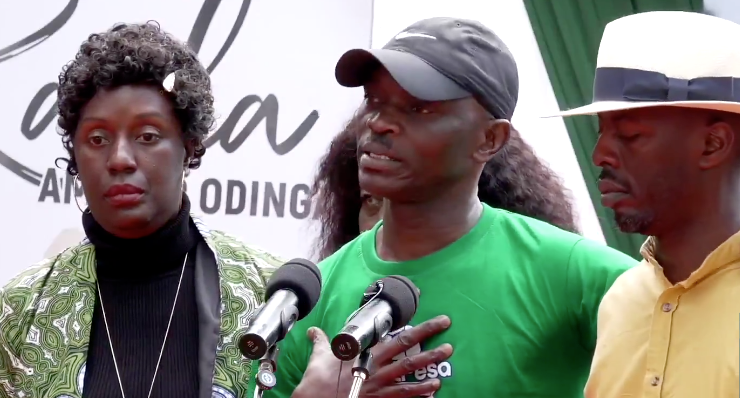
Maurice Ogeta, who spent nearly three decades as Raila Odinga’s close bodyguard and aide, has spoken about the quiet signs he noticed in the hospital just before learning that the man he called Baba was gone.
In an interview that has circulated widely, Ogeta described how the scene around him began to shift while medical efforts were still underway.
He recalled that prayer items and candles were already being set out. A stand appeared, a Bible was placed on it, candles were lit, and a cloth was brought nearby.
A priest soon arrived and started to pray. Ogeta said these preparations took place before anyone told him that Raila had died.
He turned to Dr Olunya, who was also present, and asked what was happening. The doctor explained that it was a mission hospital and that staff routinely prayed for patients as part of their care.
Yet Ogeta felt the atmosphere suggested something more final. He kept noticing details that did not match the reassurance he had been given.
Ogeta had been with Raila during a morning walk that day in India. They had completed one short lap and were beginning another when Raila suddenly stopped. He made a soft sound and then went limp. Ogeta supported him as help was called and an ambulance took them to the hospital.
Once there, doctors worked to revive him, but the quiet preparations that followed left Ogeta with a growing sense that the outcome had already been decided.
He has spoken of Raila not only as a boss but as someone closer than that—a mentor, a friend, almost a father figure.
The years of guarding him through tense political moments and everyday routines made the final hours especially hard to process. Ogeta’s account does not claim any hidden cause of death. It simply records what he saw and felt in those minutes: the shift from urgent medical activity to the quiet arrangement of prayer items, and the moment when the news finally matched what the room already seemed to be preparing for.
As the country marks a year since Raila’s passing, Ogeta’s recollection adds a personal, human detail to the public memory of that day. It is the testimony of someone who stood close enough to notice the small changes in the room before the words were spoken.