
A complex international fraud investigation has drawn fresh attention to how money meant to support struggling children in the United States was allegedly redirected into property investments in Kenya.
American prosecutors say millions of dollars intended for child nutrition programs were instead used to buy land and apartments, with Kenyan nationals playing a key role in the operation.
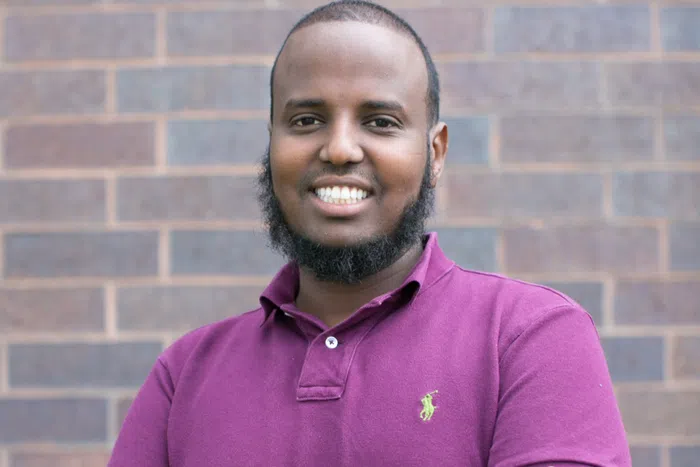
At the centre of the case is Ahmednaji Maalim Aftin Sheikh, a 28-year-old Kenyan citizen and resident, who has been charged in the United States with conspiracy to commit international money laundering.
Authorities claim he was a major overseas facilitator in what they describe as the largest Covid-19 related fraud scheme ever uncovered in the US.
Investigators allege that Sheikh helped move and invest stolen public funds outside American borders, making recovery efforts difficult.
Court filings state that he worked closely with his brother, Abdiaziz Shafii Farah, who led the so-called “Empire” group and is viewed as the main architect of the scheme.
Farah was earlier sentenced to 28 years in prison after being convicted of running a massive operation that drained tens of millions of dollars from a US child nutrition programme during the Covid-19 pandemic.
Prosecutors say that between 2020 and 2022, Farah and his associates falsely claimed to have served millions of meals to vulnerable children, stealing more than 40 million dollars, equivalent to about Sh5.1 billion.
Court records indicate that a significant portion of that money was transferred to Sheikh in Kenya.
Sheikh is accused of helping disguise the origin of the funds by investing them in Kenyan real estate through shell companies and large cash movements.
Among the properties named by investigators is an apartment block in Nairobi’s South C area near Nairobi National Park, along with land in Mandera close to the Kenya Somalia Ethiopia border.
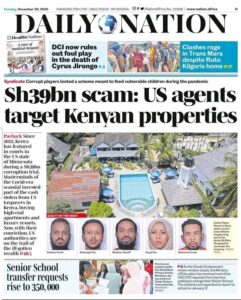
Photo Courtesy
Authorities also say the brothers openly discussed their growing wealth through text messages, sharing images of large amounts of cash allegedly sent from the United States to Kenya.
In one message cited in court documents, Farah reportedly told Sheikh that he would become “the richest 25-year-old,” while other exchanges showed transfers worth hundreds of thousands of dollars.
The case further reveals complicated family and immigration links. Sheikh later married Farah’s sister in law in Nairobi, and US authorities say an application was later filed to sponsor his move to the United States.
Prosecutors also allege that Sheikh applied for the US Diversity Visa Lottery while stating he was unmarried, despite being legally married at the time.
According to investigators, these actions formed part of a wider effort to protect illicit wealth and allow easier movement beyond the reach of law enforcement.
Sheikh’s indictment follows months after his brother received a 28-year prison sentence, one of the harshest punishments ever handed down for Covid-related fraud in the United States.
A federal judge described Farah’s crimes as deeply calculated and driven by greed, noting that funds meant to protect vulnerable children during a global crisis were instead used for luxury spending and overseas investments, including property in Kenya.
US authorities say much of the stolen money sent abroad, including assets allegedly handled by Sheikh, remains beyond their control.
Sheikh is the 74th person charged in the Feeding Our Future investigation. Prosecutors stress that the accusations remain allegations and that he is presumed innocent unless proven guilty in court. If convicted, he faces severe penalties under US money laundering laws.