

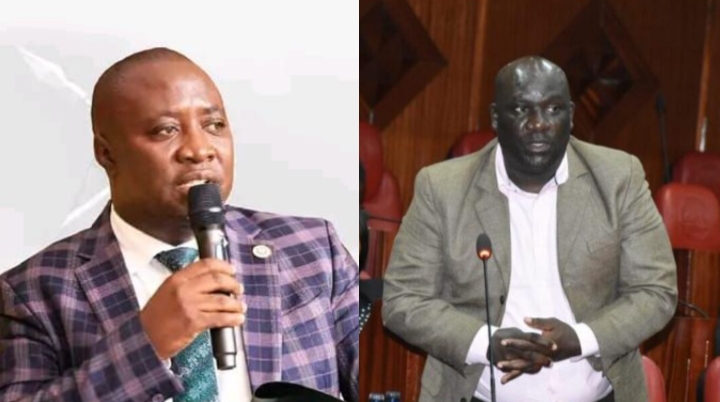
The case involving Richard Ochanda and Patrick Analo exposes how illegal approvals can directly endanger lives and weaken trust in Nairobi City County. At the center of the matter is a high-rise building in South C that was allowed to rise beyond its approved height, raising serious questions about corruption, abuse of office, and the failure of oversight meant to protect the public from unsafe development.
The issue came to wider public attention after Robert Alai shared details online, bringing focus to how planning rules were allegedly ignored. His disclosure helped highlight concerns that many residents already had about unchecked construction and the role of county officials in allowing illegal developments to continue without consequence.
Nairobi has experienced rapid growth in high-rise buildings as demand for housing and business space increases. While development is necessary, it must follow the law and safety standards. In this case, a building located on LR. NO. 209/5909/10, also known as Block 68/1306 along Kiganjo Avenue in South C, Langata Sub-county, was officially approved for only 12 floors. The approval was granted under reference number PLUPA-BPM-003455-N. Despite this clear limit, construction continued beyond what was allowed and reached 16 floors.
This did not happen by accident. Information shared publicly suggests that the additional floors were approved through actions linked to Richard Ochanda and Patrick Analo, officers within Nairobi City County’s planning department. It is alleged that the two were involved in approving the extra floors in exchange for a bribe of Ksh 25 million.
This claims point to a serious breakdown of integrity within an office that is meant to enforce the law, not trade approvals for personal gain.
The original approval dates back to late 2023 when the Urban Planning Technical Committee cleared the project for 12 levels of mixed-use apartments. The approval letter, addressed to Abayan Consulting Limited through architect Gideon Chege Mwangi, clearly stated the permitted height.
Any changes to such approval should have required a fresh review process, including structural assessments, environmental checks, and public participation.
None of this appears to have taken place, yet the building continued to grow taller.
Allowing extra floors without proper approval is dangerous. Buildings are designed based on specific limits, and exceeding those limits can weaken structures and overload foundations. It also puts pressure on infrastructure such as water supply, sewer systems, parking, and roads. Families who may later live in such buildings are exposed to risks they are not aware of, all because officials failed to do their jobs.
Richard Ochanda and Patrick Analo are now central to this matter because of their alleged role in approving illegal changes. As public officers, they are expected to protect public safety and uphold planning laws.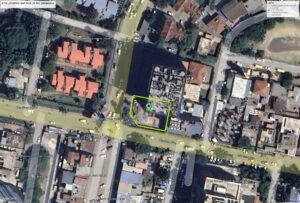
When such officers are accused of taking bribes, it encourages developers to ignore regulations and deepens public mistrust in government institutions.