

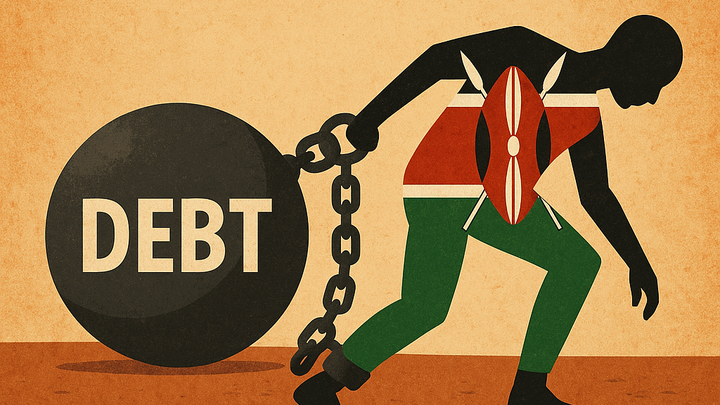
Many families in Kenya are finding it harder to balance their income with the cost of everyday life. As prices continue to rise and earnings remain under pressure, borrowing has slowly become part of normal household survival.
What was once occasional lending for emergencies has turned into regular dependence on credit to cover basic needs such as food, housing, school fees, and health care.
By February 2025, household credit in Kenya had climbed to KES 554.6 billion, showing a steady increase from previous years.
Reports indicate that about 64 percent of households have taken at least one loan, a sharp rise from 34.6 percent recorded in 2024. This growth points to a deepening financial strain, where more people feel they have little choice but to borrow in order to manage daily expenses.
Credit Reference Bureaus have become a major concern for borrowers. These agencies collect and store information on how individuals and businesses repay their loans, using data from banks, mobile lenders, and other financial institutions.
When a borrower delays or defaults on repayment, their record can be negatively listed. Such listings can limit access to future credit and, in some cases, affect employment opportunities, especially in government or non-governmental organizations.
As disposable income reduces, households are cutting back on non-essential spending.
Entertainment, leisure, and travel are often the first to be dropped, affecting sectors such as tourism and hospitality.
At the same time, a dangerous debt cycle is growing, especially with mobile lenders who offer quick and easy loans. Many people borrow to repay existing loans, trapping them in a continuous loop of debt that is difficult to escape.
The emotional and mental toll of this situation is significant. Fear of harassment by lenders or being listed by credit bureaus causes stress and anxiety. Some borrowers have reportedly fallen into depression after losing property used as collateral, while others face serious health issues linked to prolonged stress.
In extreme cases, the pressure of unpaid loans has driven individuals to tragic outcomes.
Living standards are also being compromised. Families reduce food portions, choose cheaper schooling options for their children, and delay or skip medical treatment.
Social relationships suffer as people turn to friends and relatives for loans, sometimes leading to shame, stigma, and broken trust.
Reducing the reliance on borrowing requires joint effort. Individuals need better financial literacy and education on responsible borrowing.
The government can support citizens by offering low-interest loans and reducing taxes on basic goods to ease household pressure. Lenders should encourage saving habits instead of promoting constant borrowing. Reforms in credit reporting systems should also allow easier correction of wrong listings.
The steady rise in personal debt highlights the urgent need for stronger economic policies, fair lending practices, and practical financial education to help Kenyans regain stability and manage their finances more effectively.