The debate over Kenya’s planned mandatory vehicle inspection program is no longer just about road safety. It has become a serious question of money, accountability, and whether public policy is being designed to serve citizens or a small group of well-connected interests.
At the centre of the controversy is a simple but powerful figure. Kenya is estimated to have about five million serviceable vehicles. If every vehicle owner is required to pay an inspection fee of KSh 2,000 annually, the exercise would generate roughly KSh 10 billion every year. That is not a small amount of money. It is a massive market that has attracted attention far beyond the transport sector.
Former UDA Head of Policy and Public Affairs Annold Maliba has openly challenged the government’s justification for the new framework, arguing that Kenyans deserve answers about who stands to benefit from the billions expected to flow from the inspection scheme.
His concerns have resonated with many motorists who are already struggling with rising fuel prices, insurance costs, taxes, and other government charges.
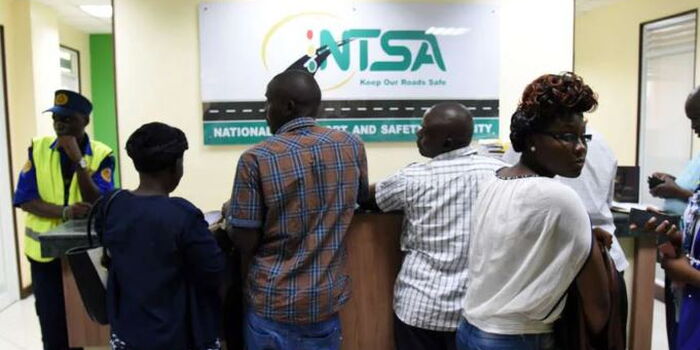
The National Transport and Safety Authority has admitted that it lacks the capacity to carry out inspections on all vehicles across the country. With only 17 inspection centres and the ability to handle about 1.2 million vehicles, the authority cannot effectively inspect every vehicle on Kenyan roads.
While the government presents privatization as a practical solution, critics see something else. They argue that NTSA’s failure to build adequate capacity over the years is now being used to justify handing a lucrative public function to private entities.
This is where the questions become difficult for the government to answer. If vehicle inspections are truly a matter of public safety, why was NTSA allowed to remain under-equipped for so long? Why is the solution suddenly centred on creating a multibillion-shilling business opportunity for private players instead of strengthening public institutions?
The credibility of the entire process is further weakened by Kenya’s long history of corruption within the transport sector.
The Ethics and Anti-Corruption Commission has repeatedly warned that corruption in driver licensing and vehicle inspections poses a direct threat to public safety. When unqualified drivers obtain licenses or defective vehicles receive approval, the consequences are often measured in lives lost on Kenyan roads.
Many road safety advocates argue that the government has consistently focused on collecting revenue while neglecting basic safety measures such as public awareness campaigns, stricter enforcement of traffic laws, and investment in safer road infrastructure. To them, the new inspection plan looks less like a safety intervention and more like another mandatory payment imposed on citizens.
The involvement of private firms has also raised eyebrows. Questions continue to emerge about the qualifications, integrity, and track records of some companies linked to inspection contracts.
Such concerns have only deepened public suspicion that the process could become another avenue for politically connected individuals to profit from state-backed policies.
No reasonable person opposes efforts to remove dangerous vehicles from Kenyan roads. Road safety remains a genuine national concern.
However, safety cannot be used as a shield against legitimate scrutiny. Kenyans have a right to know who will collect the money, how contracts will be awarded, how revenues will be managed, and what safeguards exist against corruption.
As the July 1, 2026 implementation date approaches, NTSA faces a growing trust deficit.
The authority is asking citizens to believe that the new framework is about protecting lives, yet many see a KSh 10 billion opportunity hidden behind the language of safety.
Until clear answers are provided, the suspicion will remain that this is not simply a transport policy but another expensive burden placed on ordinary Kenyans while powerful interests position themselves to cash in.